ZLD · Technology
Zero Liquid Discharge
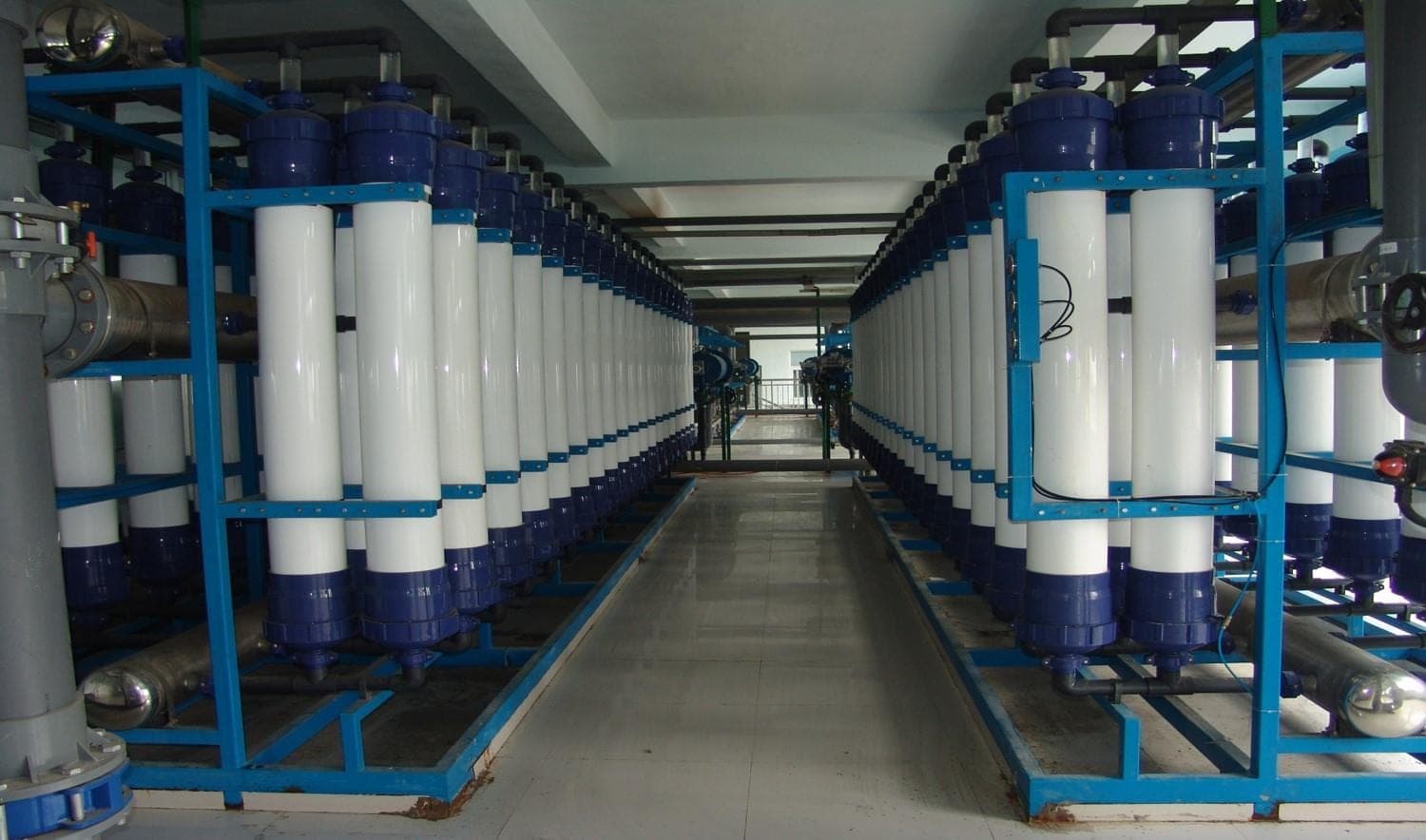
Zero liquid discharge is not a single technology; it is a system architecture. Petro Sep engineers ZLD trains that combine reverse osmosis and AQUA-SEP® vacuum membrane distillation with crystallization to deliver compliant systems where every drop of water is recovered and the only output is solid waste. We pilot the full train on real feed before any capex commitment.
What it solves
Performance you can size against.
What the process delivers. Every number is testable on your own feed.
- Liquid discharge
- Zero
- Permit-ready for jurisdictions with strict discharge limits.
- Water recovery
- 98 to 99.5%
- Returned to the process loop or polished to discharge.
- Electricity vs evaporator + crystallizer
- 26 vs 43
- kWh/m³ for a 100 GPM unit, with 129 vs 300 kWh/m³ of utilities, on Petro Sep's AQUA-SEP® Energy Comparison data sheet.
How it works
The working principle.
ZLD trains stage separation by feed concentration. Membrane stages handle dilute and mid-range feeds at low energy. Thermal stages take the final brine to dryness. The result: every kg of dissolved solid leaves the plant as solid, every kg of water leaves as recovered liquid.
Performance envelope
Specs and operating range.
For preliminary sizing only. Production sizing is always validated against your specific feed.
- Final solids
- Solid only
- Water recovery
- 98 to 99.5%
- Specific energy, AQUA-SEP route
- 26 + 129kWh/m³ electricity + utilitiesAQUA-SEP® Energy Comparison data sheet (100 GPM unit), against 43 + 300 kWh/m³ for an evaporator and crystallizer.
- Footprint
- Modular, scales to site
- Stages (typical)
- 3 to 5
- Membrane stage recovery
- 85 to 95%
- Thermal stage feed concentration
- 20 to 30wt% TDS
How we compare
ZLD vs the alternatives.
Where Zero Liquid Discharge wins, where it does not, and where the alternatives are honestly the better fit.
| Trait | Petro Sep ZLD | All-Evaporation ZLD | Crystallization-Only Discharge |
|---|---|---|---|
| Architecture | Membrane + thermal hybrid (RO + VMD + crystallization) | Steam-driven evaporation + crystallization throughout | Single-stage crystallizer on a partial stream |
| Specific energy | 26 kWh/m³ electricity plus 129 kWh/m³ utilities on the AQUA-SEP® route (data sheet, 100 GPM unit) | 43 kWh/m³ electricity plus 300 kWh/m³ utilities for an evaporator and crystallizer (same data sheet) | Per-unit volume cost is high; only practical at small scale |
| Capex | Mid | High | Low (incomplete recovery) |
| Water recovery | 98 to 99.5%, returned to process | 98 to 99.5%, returned to process | Not a true ZLD |
| Best fit | Mining, oil-and-gas, large industrial wastewater (cost-sensitive ZLD) | Where membrane fouling is intractable | Small streams, supplementary treatment |
Architecture
Petro Sep ZLD
Membrane + thermal hybrid (RO + VMD + crystallization)
All-Evaporation ZLD
Steam-driven evaporation + crystallization throughout
Crystallization-Only Discharge
Single-stage crystallizer on a partial stream
Specific energy
Petro Sep ZLD
26 kWh/m³ electricity plus 129 kWh/m³ utilities on the AQUA-SEP® route (data sheet, 100 GPM unit)
All-Evaporation ZLD
43 kWh/m³ electricity plus 300 kWh/m³ utilities for an evaporator and crystallizer (same data sheet)
Crystallization-Only Discharge
Per-unit volume cost is high; only practical at small scale
Capex
Petro Sep ZLD
Mid
All-Evaporation ZLD
High
Crystallization-Only Discharge
Low (incomplete recovery)
Water recovery
Petro Sep ZLD
98 to 99.5%, returned to process
All-Evaporation ZLD
98 to 99.5%, returned to process
Crystallization-Only Discharge
Not a true ZLD
Best fit
Petro Sep ZLD
Mining, oil-and-gas, large industrial wastewater (cost-sensitive ZLD)
All-Evaporation ZLD
Where membrane fouling is intractable
Crystallization-Only Discharge
Small streams, supplementary treatment
Where this technology applies
Industries that use this process.
Zero Liquid Discharge fits some sectors better than others.
Mining
Process plants and patented separation for tailings, brines, lithium, and ZLD.
Learn more
Industrial Manufacturing & Environmental
Process equipment, packaged plants, and patented recovery for manufacturing, water reuse, and emissions control.
Learn more
Oil, Gas & Energy
Process equipment, packaged plants, and patented separation for upstream, midstream, downstream, and energy.
Learn more
Engineering FAQ
Questions engineers ask.
The questions we hear weekly. If you have a different one, send it with your consultation request and we will answer it directly.
What feeds suit a Petro Sep ZLD train?
How is membrane fouling managed in a ZLD train?
What are the solid outputs?
Can ZLD systems run on waste heat?
Have a feed that ZLD
might fit?
We will pilot before we promise. Send us a sample and a target outcome. If the technology fits, we will tell you what to expect; if it does not, we will tell you that too.